
You love the flavor fresh strawberries bring to cakes, muffins, and tarts, but you hate the soggy mess they can cause. You’ll learn simple, practical ways to use fresh strawberries in baking without making it soggy—so your crumb stays light and your filling doesn’t weep.
This guide shows the exact prep, ingredient swaps, and timing tricks to keep strawberry moisture under control. By the end you’ll know how to bake with fresh strawberries in baking like a pro and get pin-worthy results every time.
What You'll Need (Ingredients + Tools)
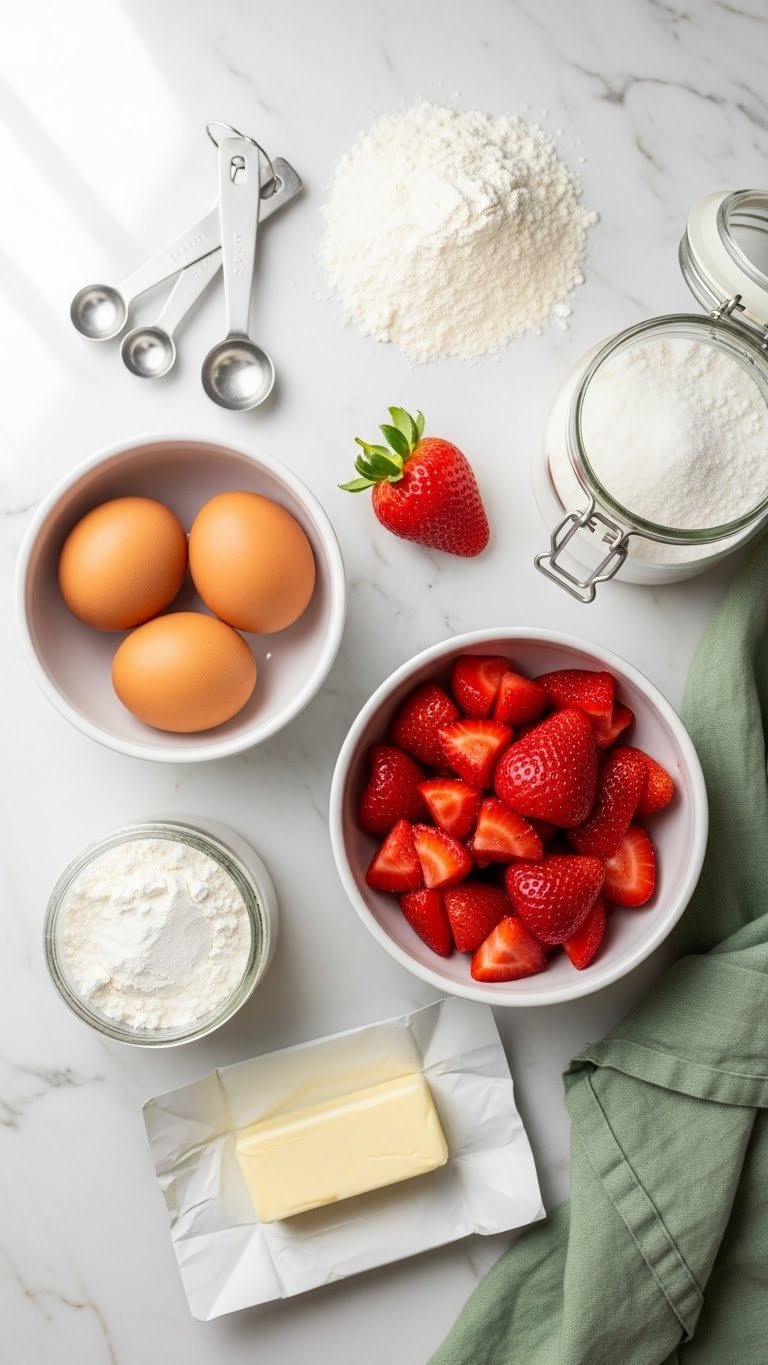
- Ingredients:
- 1 to 2 cups fresh strawberries, hulled and sliced
- 2 tbsp cornstarch (or 1–2 tbsp flour) for every cup of berries
- 1–2 tbsp granulated sugar (optional, for quick maceration)
- Standard cake/muffin recipe ingredients
- Tools:
- Fine sieve or colander
- Paper towels or clean kitchen towel
- Small mixing bowls
- Measuring spoons and scale
Quick tip: weigh your berries—1 cup = ~150 g—so you add the right amount of starch. This helps you control moisture precisely when using fresh strawberries in baking.
Preparing Your Strawberries
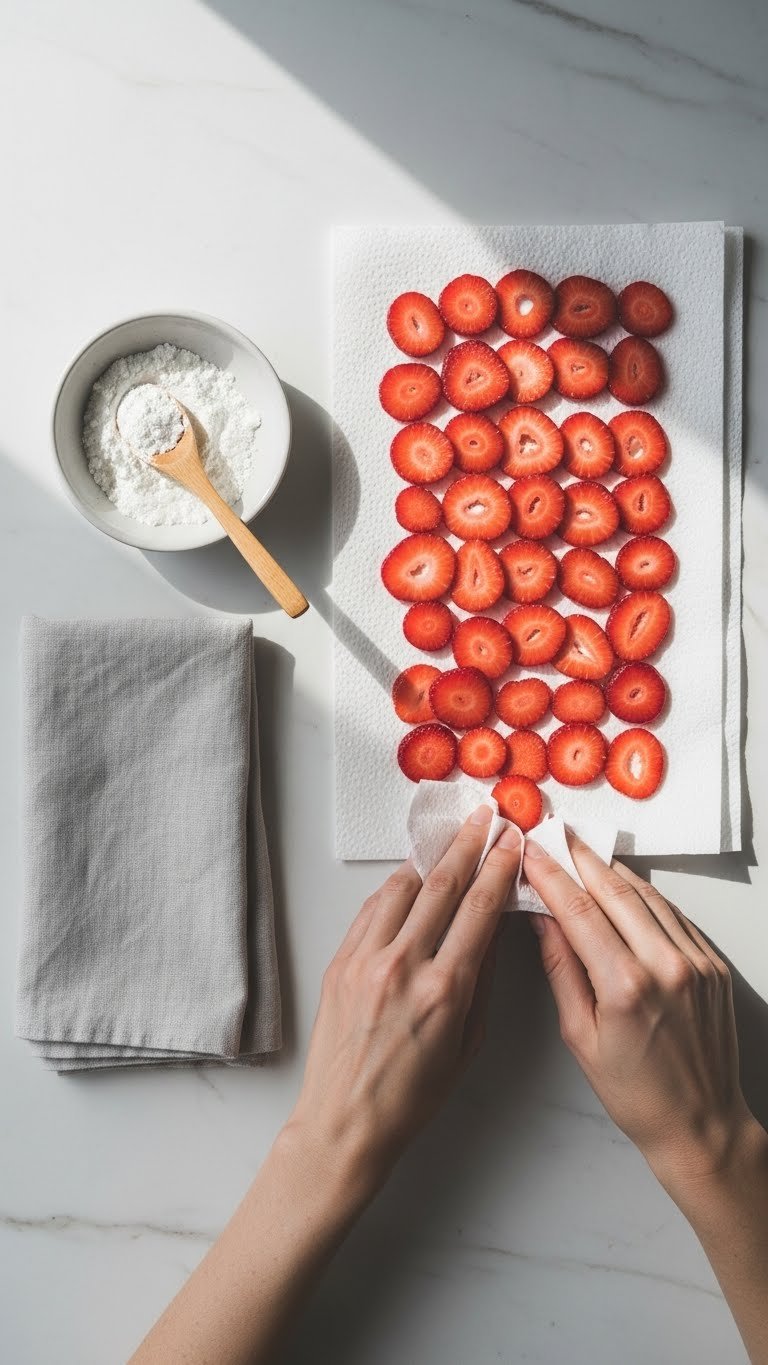
- Rinse quickly under cold water, then pat completely dry with paper towels. Water is the main culprit for soggy batter.
- If berries are very juicy, drain in a sieve for 10–15 minutes. Press gently to remove excess juice.
- Toss sliced strawberries with 1–2 tbsp cornstarch per cup and a pinch of salt. The starch absorbs surface moisture and thickens released juices during baking.
- For sweeter, softer bites: macerate briefly with 1 tsp sugar for 5–10 minutes, then drain and toss with starch. Don’t over-macerate—you’ll extract too much juice.
Warning: never add undrained, sugary strawberry juice directly to batter. That extra liquid will weigh down your crumb and cause sogginess.
Step-by-Step Baking Tips to Prevent Sogginess
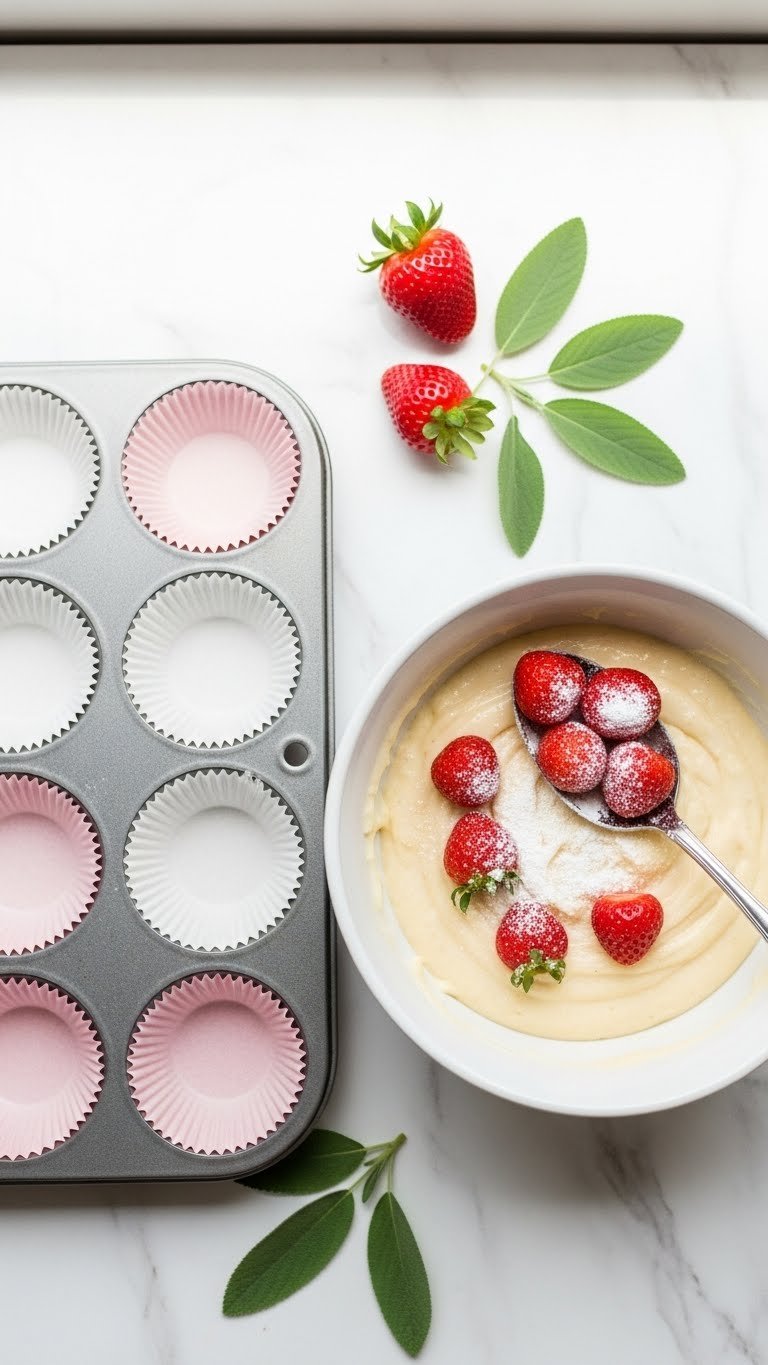
- Folding strawberries into batter:
- Fold gently at the end of mixing to avoid breaking berries.
- Use room-temperature batter so berries don’t sink immediately.
- Spoon batter into tins, then press a few berry pieces on top for a fresh look.
- For pies and tarts:
- Pre-cook filling for 5–8 minutes to reduce liquid, or combine berries with 2–3 tbsp cornstarch and simmer lightly until thickened.
- For layered cakes:
- Layer berries between cake layers with a thin smear of buttercream or pastry cream to act as a barrier.
- Avoid piling large, juicy pieces directly on cake sponge without a protective layer.
Pro tip: freeze berries for 20–30 minutes before cutting; slightly firmer berries break less and release less juice into batter.
Troubleshooting, Storage, and Serving
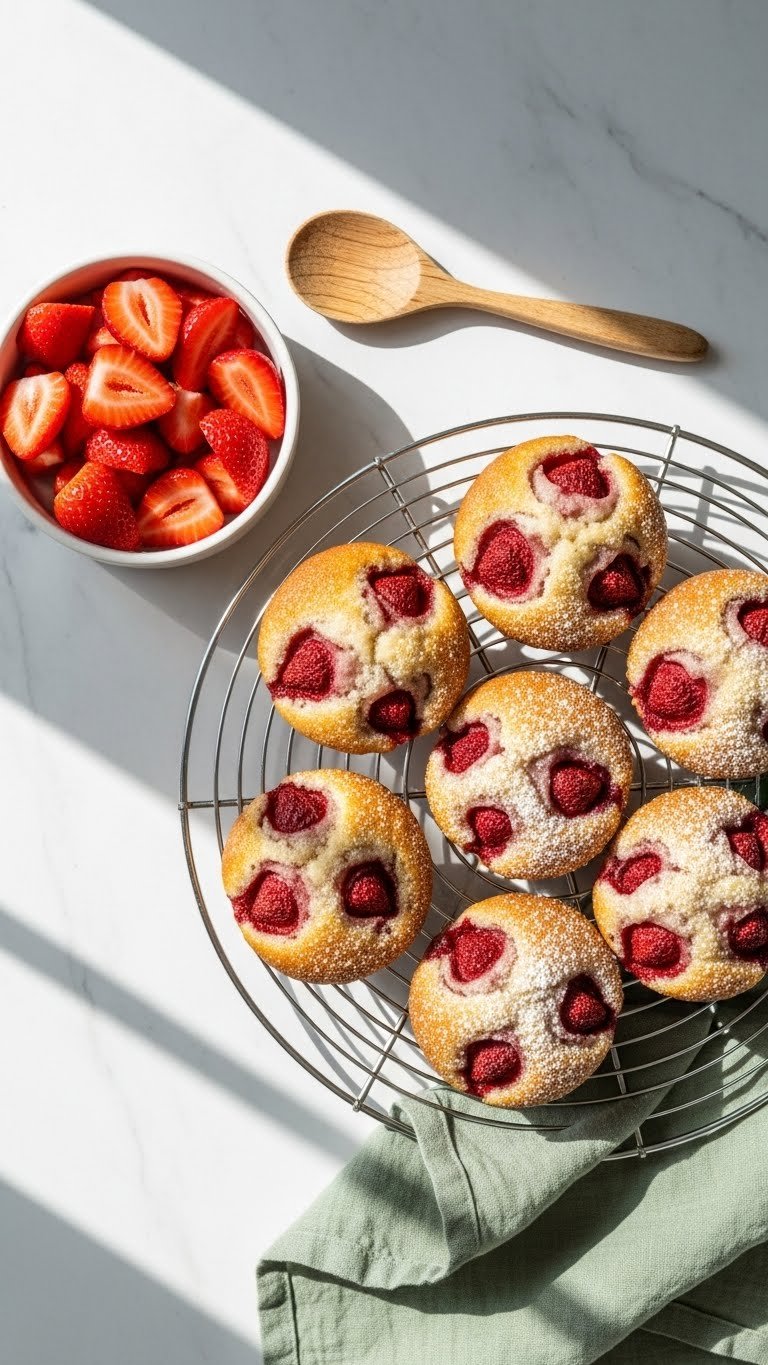
- If your bake is soggy:
- Check whether you folded berries too early or used undrained fruit.
- Next time, increase cornstarch by 1 tsp per cup of berries, and drain longer.
- Storage:
- Store finished baked goods at room temperature 1–2 days in a vented container.
- For longer storage, refrigerate up to 4 days or freeze for up to 3 months (wrap tightly).
- Serving:
- Warm slightly before serving to refresh texture.
- Add fresh sliced strawberries on top just before serving for the best look and texture.
Which method you use depends on recipe type—muffins tolerate folded berries, while pies often need pre-thickening. Keep notes on what worked so your next bake is even better.
You’ve got the tools and steps to enjoy bright strawberry flavor without a soggy result. Try the cornstarch toss and gentle folding first—those two moves make the biggest difference. Pin this guide for your next brunch or bake sale and save time on trial-and-error. Which tip will you try first? Ready to make this happen? Let's do it!
Recent Posts
14 Light Spring Strawberry Dessert Recipes That Feel Seasonal
Spring mornings beg for bright, light desserts that match the season. You want strawberry sweets that feel fresh, not heavy, and that celebrate the fruit's short, sweet moment. These 14 Light...
12 Simple Easy Spring Strawberry Recipes That Anyone Can Make
Spring is the season when strawberries smell like sunshine, and your kitchen wants to celebrate. If you’ve got a basket of fresh berries and a craving for simple, fresh flavors, these 12 simple...